
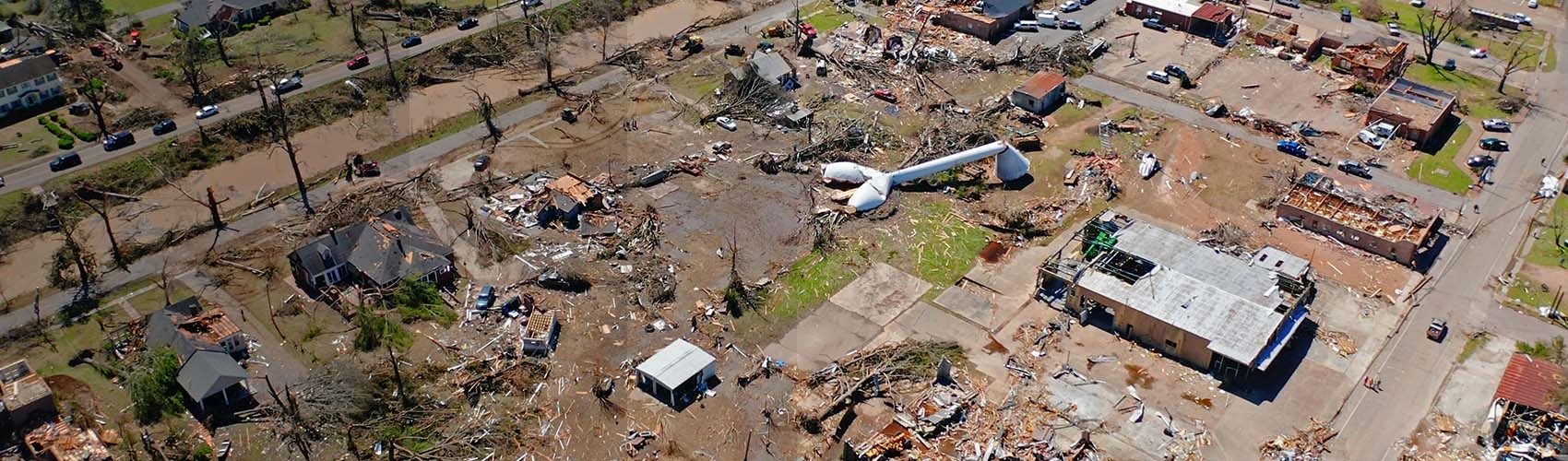
A National Leader in Responding to Disasters in the U.S.
Save the Children has been responding to emergencies in the United States and humanitarian crises around the world for more than 100 years. Since Hurricane Katrina, we’ve supported millions of children and families across the country through rapid, child-centered emergency assistance and long-term recovery support.
As the nation’s leading disaster responder for children, we stand ready to support communities as they face increasingly frequent and severe crises. Your donation to the Children’s Emergency Fund helps deliver emergency cash assistance, establish safe spaces for children, restore learning and expand mental health support—ensuring children can recover and return to normalcy as quickly as possible.
How to Prepare Kids for Emergencies and Disasters
Save the Children is the national leader for children in emergencies. America’s 74 million children are safer today because we helped set the national standards for protecting children in emergencies.
When a crisis strikes, being prepared is one of the most important things you can do protect your children and families. After the disaster, it is important to help children cope with the after-effects they may experience. Save the Children urges parents and caregivers to talk to their children about emergencies and disasters. Our experts have compiled these tips to help keep kids safe when disaster strikes.
Tips for Keeping Children Safe Before, During and After a Disaster
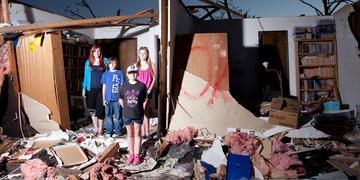
Tornado Safety Tips
Tornadoes are more common in the U.S. than any other country. To learn more about keeping children safe before, during and after a tornado, read these tornado safety tips.
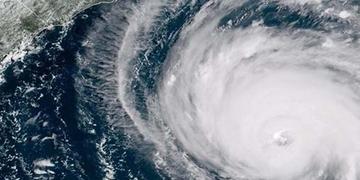
Hurricane Safety Tips
Hurricanes are scary and disruptive for kids – they can take children away from their homes, their schools and their friends. Learn more about hurricane safety and how you can be prepared if disaster strikes.
Earthquake Safety Tips
Earthquakes are caused by the breaking and shifting of rock beneath the earth’s surface. They can strike without warning and can occur at any time. Learn what you should do to keep your family safe with these earthquake safety tips.
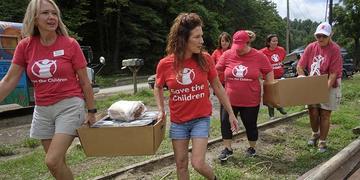
Flood Safety Tips
Floods are among the most frequent and costly natural disasters in the U.S. Here are 10 tips on how to keep children safe before, during and after a flood.
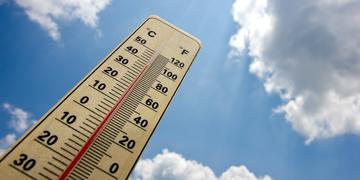
Extreme Heat Safety Tips
Extreme heat can cause illness, dehydration and even death. Here are 10 tips on how to beat the heat.
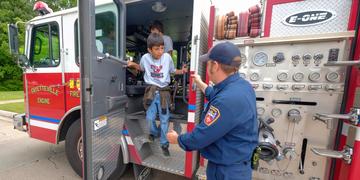
Keeping Children Safe in a Fire
Fires and burns are one of the leading causes of death for children under the age of 15. Learn more about how preventing fire is key to keeping children safe.
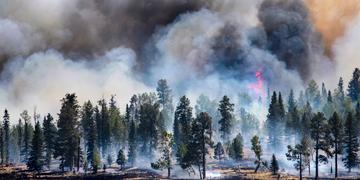
Wildfire Safety Tips
Four out of five wildfires are started by people’s negligence. Save the Children offers 10 tips for keeping children safe in a wildfire.
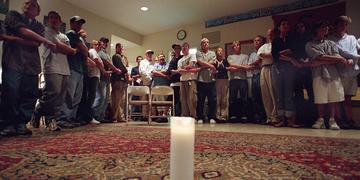
Helping Children Cope with Terrorism
Save the Children keeps children safe – including after acts of terrorism. Here are 10 tips on how to help children cope with the after-effects of a terrorist attack.
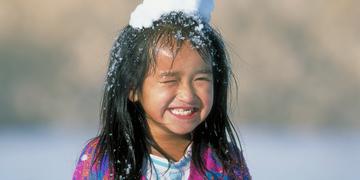
Winter Weather Safety Tips
Low temps can lead to dangerous conditions for kids – and injuries too. These tips from our emergency response experts can ensure that kids stay safe and warm in winter.
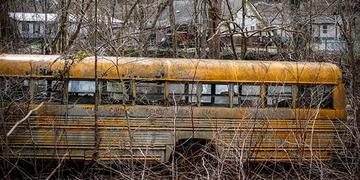
Violence and School Shooting Safety Tips
Today, many students participate in active shooter drills at school. Their awareness of school shootings can lead to emotional conversations filled with complex questions. Here are tips to help you talk to children about school shootings.
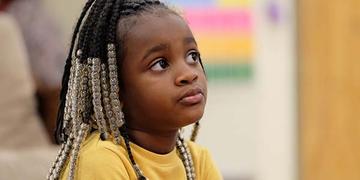
Tips for Talking to Kids About Racism and Social Justice
Every child has the right to grow up healthy, educated and safe – regardless of race, gender or socioeconomic status. Systemic change to end racism is essential to achieving this vision. Learn about how you can talk to your kids about racism & social justice.

How to Help Children with Difficult Transitions
Childhood is a time of transition. Some transitions that kids make can be a bit scary at first, like removing a pair of training wheels, and other transitions are more difficult to navigate. Learn about how you can talk to your kids about difficult transitions..
Save the Children's Disaster Response and Long-Term Recovery Programs
In disasters across the United States, children are always at risk—but rarely at the center of emergency planning or response. Save the Children begins with a bold vision to change that, ensuring every emergency response prioritizes the safety, well-being, and recovery of children.
We achieve this through three core program areas that support children, their families, and their communities before, during, and after emergencies. Each area is designed to meet the most critical needs children face in a crisis: emergency cash assistance and basic needs support, education recovery and the rapid restoration of learning, and safe spaces paired with mental health and emotional resilience programming.

Basic Needs
Save the Children is a leader in cash assistance in the U.S., offering a unique combination of national reach, emergency response capacity and child focused programming.

Education Recovery
Save the Children protects every child’s right to learn by restoring education and childcare quickly and effectively, helping communities recover after a crisis.
Mental Health Support
Save the Children supports children affected by disasters to process trauma, regain stability and rebuild a sense of hope.
Great Disaster Resources from Our Partners
National Center for Missing and Exploited Children
Child Safety & Prevention
US Department of Health and Human Services, Office of Human Services Emergency Preparedness & Response
Early Childhood Disaster-Related Resources
American Red Cross
Be Red Cross Ready family preparedness tools
Zero to Three
Helping Young Kids Cope After Exposure to Traumatic Event
American Academy of Pediatrics
Disaster Planning Standards and Resources for Child Care Providers. Visit Disaster Planning Standards & Resources for Child Care Providers
FLASH (Federal Alliance for Safe Homes)
Severe weather risks U.S. Map
CDC' Office of Public Health Preparedness and Response
Ready Wrigley Activity Books for Children
US Department of Education
Readiness and Emergency Management for Schools Technical Assistance Center