
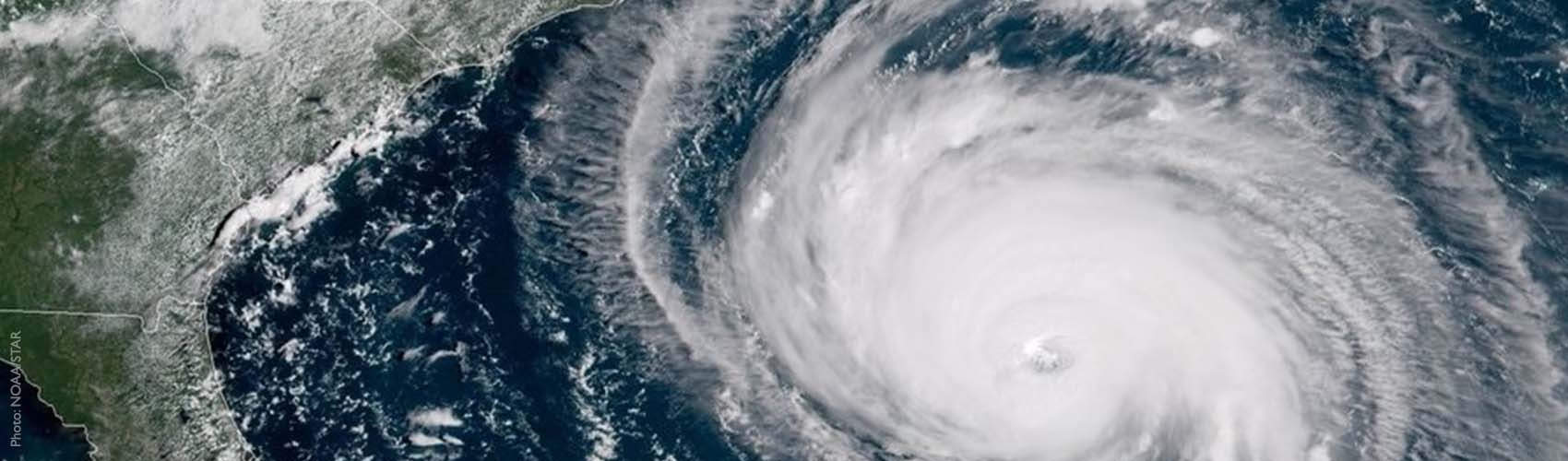
10 Hurricane Safety Tips
Save the Children’s emergency response experts have compiled ways to prepare for a hurricane and stay safe during a hurricane to help protect your children from distress during and after disasters.
- Talk to your children about hurricanes. Explain to your child what could happen in the event of a hurricane, using simple, age-appropriate words. Outline a family emergency plan for hurricanes, with an evacuation plan and meeting location and emphasize that their safety is your utmost priority.
- Prepare a “to-go bag” for each child in the family ahead of time. The bag should contain essential personal items, including:
Contact and medical information
A flashlight with extra batteries
A favorite stuffed animal or comfort item
A blanket
Hygiene supplies including a toothbrush, comb and washcloth
Hand sanitizer, or bar or liquid soap
- Practice evacuation drills. Once you’ve created your hurricane evacuation plan and talked with your children about it, it’s time to practice. Be sure to run through different scenarios – at home, at school and at other places you visit often (like a grandparent’s house, or a second home). When planning your evacuation route, remember that bridges may be washed out and low-lying areas may be flooded.
- Learn your child’s school or child care disaster plans. If your child attends school, daycare or an after-school program, ask for the facility’s hurricane emergency plan. Learn their procedures for evacuation, notifying parents and if there is an alternate pick up location.
- Evacuate if instructed to do so. If you are instructed to evacuate by local authorities, be sure to know your state and local plans by visiting your state and county emergency management websites.
- Stay indoors, if not evacuated. If you aren’t advised to evacuate, or are unable to do so safely, stay indoors, away from windows, skylights and doors. Continue to monitor weather reports and don’t go outside until the storm has passed. Downed trees, live electrical wires and other hazards can crop up unexpectedly.
- Keep routines. Children experience comfort from rituals and routines, like a story before bedtime or a family meal each evening. If at all possible, keep these routines.
- Role model and listen. Remember, children look to you and pick up on your moods and cues. Let your children know that it’s okay to be sad but do your best to reassure them that they’re safe.
Although the dangers of a hurricane are very real, your child’s fears may be out of proportion or unrealistic. Take the time to talk to them and hear their concerns.
- Limit media. Even the mildest of storms can be sensationalized on news and weather channels. Children of all ages can be disturbed by intense images online and on TV, so monitor their media intake.
- Watch your child for changes in behavior, sleeping patterns, or eating habits. Children may be afraid or anxious for a while after the hurricane. If changes in behavior do happen, they will likely lessen within a short time. However, if they continue, you should seek professional help and counseling
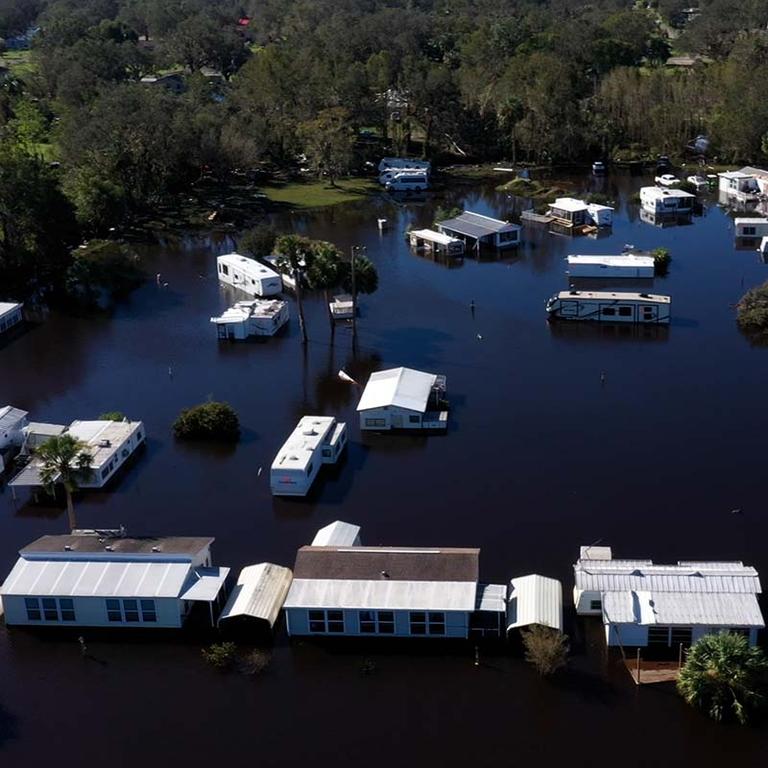
Florida, roadways are flooded as a result of the deadly Category 4 Hurricane Ian.
Hurricanes can cause widespread damage and impact communities for years to come.
2026 Hurricane Names
Hurricane Arthur
| Hurricane Leah |
What is the difference between a hurricane watch and a hurricane warning?
If a hurricane watch or warning is issued in your community, it's important to understand the difference, as it will determine your next steps. Local officials may direct you to immediately leave the threatened area if a hurricane warning is issues.
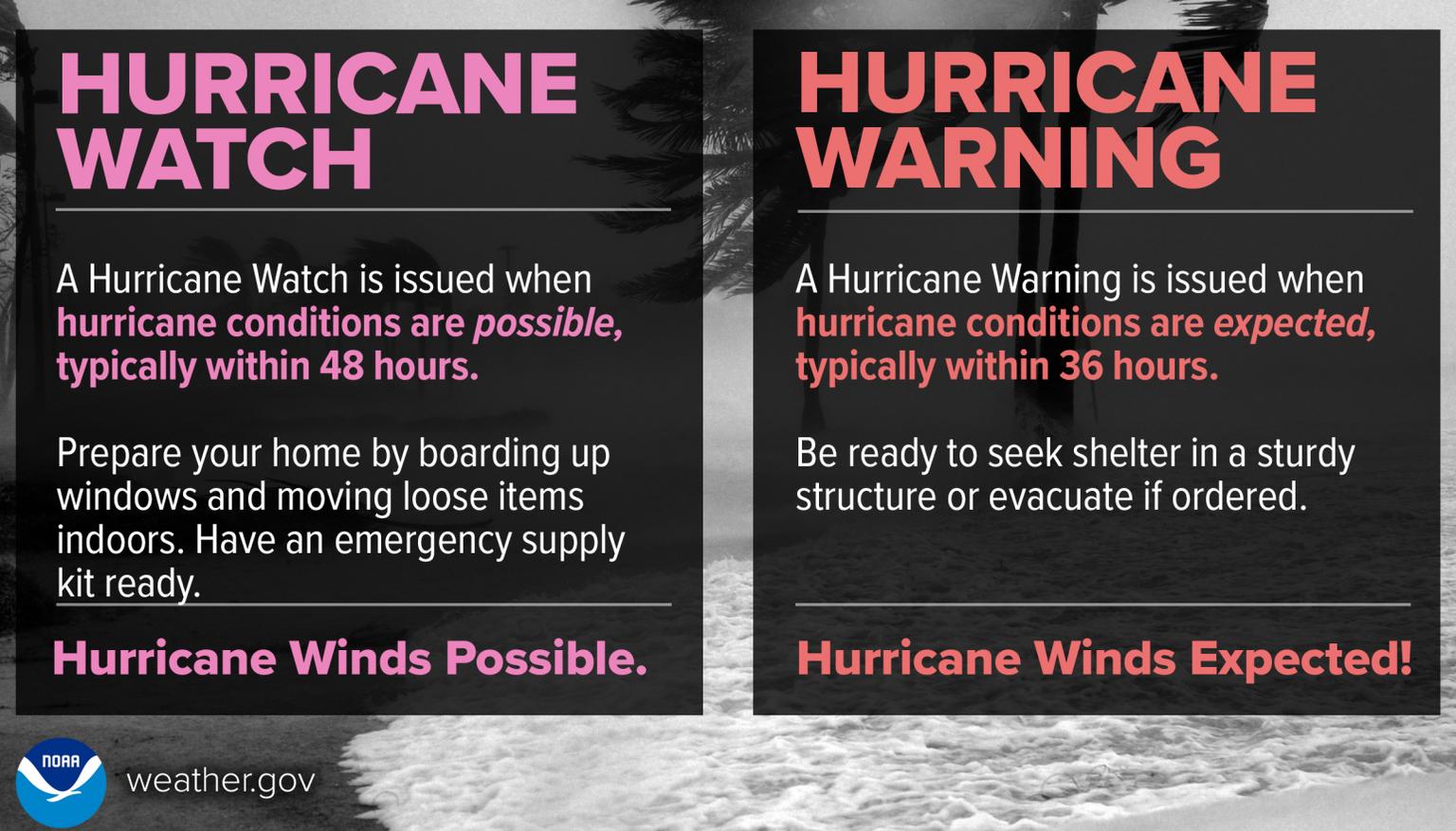
Infographic courtesy of: weather.gov and The National Weather Service
Hurricanes, Cyclones and Typhoons: What's the Difference?
Hurricanes, tropical cyclones and typhoons are all destructive windstorms but are called different things based on their geographic location.
The term ‘hurricane’ is used in the North Atlantic and Northeast Pacific oceans. In the Northwest Pacific Ocean, we use the term ‘typhoons,’ while the term ‘tropical cyclone’ refers to the South Pacific and Indian oceans.
"Thanks to the generosity of our community partners and the unwavering support of
Save the Children, relief came just in time."
- Save the Children local partner Redlands Christian Migrant Association
Our History of Hurricane Response & Disaster Relief
When crisis strikes, children are always among the most vulnerable. That’s why Save the Children has been on the ground, protecting America’s children, in every major disaster since Hurricane Katrina.
Thanks to the support of our donors, our response teams and supplies hit the road before disaster strikes, to help keep children and families safe. We get parents the essential items they need to continue to care for their children, make sure evacuation shelters are safe and supportive to children and families’ unique needs.
We’re also there for the long term, restoring child care centers and preschools – and restarting afterschool and summer programs – so kids can get back to learning and parents can get back to work. Plus, our social and emotional recovery programs, including. Journey of Hope and. HEART (Healing and Education Through the Arts), help children and caregivers understand and cope with the fear and loss that can come in the wake of a disaster.
Updated January 2026