Lebanon Crisis Relief: Help Children in Urgent Need
Escalating violence across the Middle East is having devastating consequences for children. Reports of a conditional ceasefire in the region offer limited relief, but violence continues in Lebanon, where intensified bombing has shaken communities and put children at further risk.
In Lebanon, where families were already facing one of the world’s worst humanitarian crises, recent hostilities have uprooted at least 1.3 million people, including nearly 300,000 children. Even before this latest escalation, more than half of Lebanon’s population depended on humanitarian assistance.
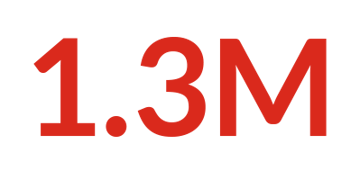
A graphic depicting 1.3 million people in Lebanon have been displaced internally since the recent escalating in hostilities.
1.3 million people in Lebanon have been displaced internally
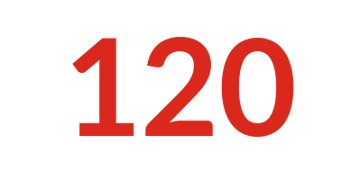
A graphic depicting escalating hostilities in Lebanon have killed more than 120 children.
Escalating hostilities have killed more than 120 children
A graphic depicting the stat that prior to the current crisis, 3 million people, including refugees, in Lebanon already required assistance.
Prior to the crisis, 3 million people, including refugees, in Lebanon already required assistance
Save the Children's Humanitarian Response in Lebanon
Save the Children has been working in Lebanon since 1953, helping children survive, learn and stay safe. As the crisis in the Middle East escalated, our teams mobilized within hours, delivering essential hygiene items and safe drinking water to families forced to flee—already reaching more than 4,000 households.
We are supporting children and families across Lebanon with mental health support, safe learning opportunities and emergency shelter

We are supporting helping mothers access essential healthcare and working to prevent child malnutrition

We are providing hygiene kits as well as access to clean water
Crisis in Lebanon: What to Know
How is the current Middle East regional conflict affecting people in Lebanon?
The conflict has contributed to widespread displacement and economic strain. 1.3million people—more than 20% of the population—have been displaced in Lebanon since the escalation started on March 2, 2026.
How are food prices changing in Lebanon due to the conflict?
In Lebanon, supply chain disruptions and uncertainty in local markets have further driven up prices. Analysis of fuel and six key foods for a healthy diet found prices rose by 5% between 23 February 23, 2026 and March 9, 2026.
How is the conflict impacting humanitarian and supply systems affecting Lebanon and the region?
The conflict is obstructing key delivery routes for humanitarian supplies and disrupting supply chains across the Middle East and wider region. These disruptions are contributing to rising costs and delays in delivering essential goods, including food, fuel, and medicines.
Why is a definitive ceasefire in Lebanon and for the wider region urgently needed?
Reports on April 8 that the US and Iran have agreed to a two-week conditional ceasefire will be a welcome relief for families in the region, who have suffered five weeks of bombing, displacement and terror. However, a ceasefire is still urgently needed in Lebanon and the wider region.
Ahmad Alhendawi, Save the Children's Middle East, North Africa and Eastern Europe Regional Director, said:
“A whole generation of children bears the brunt of this conflict. A definitive ceasefire for the entire regional conflict, including Lebanon, is the only way to truly protect children’s lives and futures and end the suffering.
“The violence must end before more children suffer irreparable harm.”
Save the Children has a proven track record of using donations efficiently and effectively to change children's lives. We are proud to have received an A- rating from CharityWatch and a 4-star rating from Charity Navigator, the highest score possible from America’s leading independent charity evaluator.
This recognition reflects our long-standing commitment to ethical governance, transparent operations, and fiscally responsible use of donor support.
Updated: April 2026