Why Children in the DRC Need Urgent Help Right Now
The crisis in the Democratic Republic of Congo is rapidly worsening as a deadly Ebola outbreak spreads across regions already affected by decades of conflict, large-scale displacement and deeply weakened health systems.
The outbreak is accelerating in Ituri Province, the epicenter of the emergency, where 782 confirmed cases and 181 deaths have been reported across 31 health zones. Insecurity, population movement and limited access to care are fueling transmission and making it harder for families to get help.
Without urgent support, the combined impact of conflict, Ebola, displacement and hunger will continue to put children’s lives at risk and increase the likelihood of further spread across communities and borders. Your donation today to the Ebola Crisis Relief Fund will go directly to children in the DRC, where every minute counts.
15M
People in need in the Democratic Republic of Congo
5.6M
People in the DRC internally displaced
4.18M
Children under 5 facing acute malnutrition
Save the Children's Response in the Democratic Republic of Congo
Save the Children is scaling up its Ebola outbreak response across DRC, where we have worked since 1994. We have already reached 28,754 people (including 16,751 children) and are supporting 62 health facilities, while our WHO-accredited Emergency Health Unit has been deployed to support frontline health services and stop transmission.

Emergency Health Unit
Save the Children is deploying its WHO-accredited Emergency Health Unit to strengthen frontline care—supporting triage, isolation, and safe treatment of Ebola cases while training health workers to respond effectively.

Roof SVG for web use
Essential Supplies & Infection Control
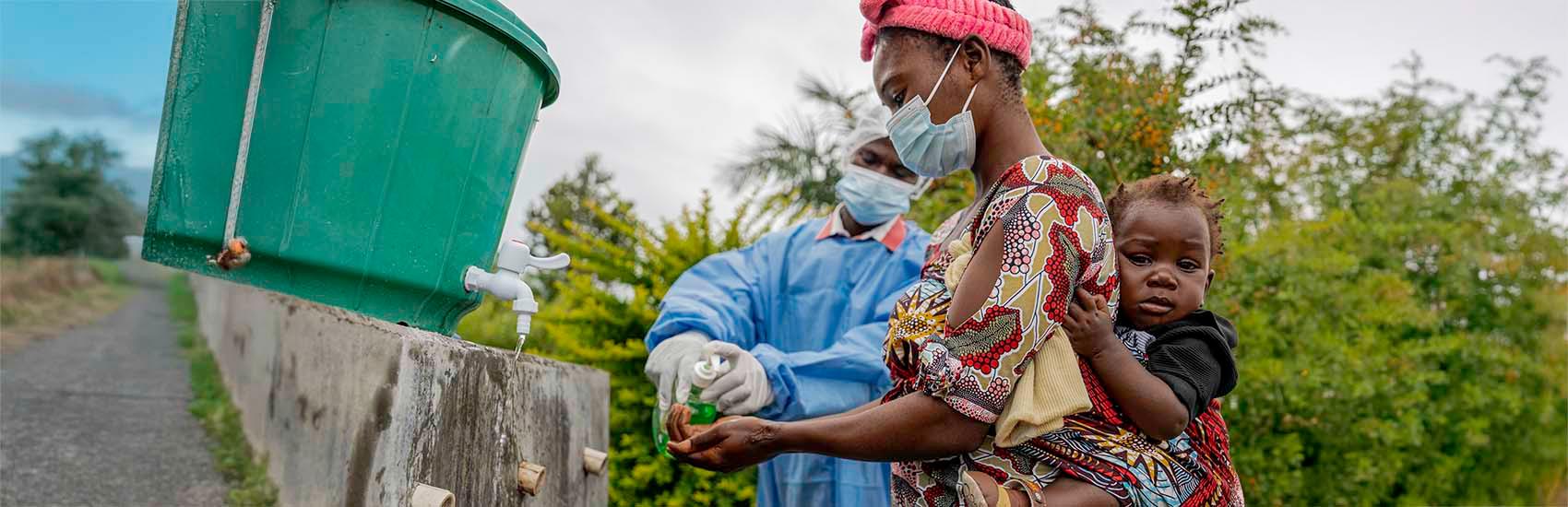
We are delivering lifesaving supplies, including personal protective equipment (PPE), chlorine and infection prevention materials to protect patients, families and healthcare workers.

Water icon
Water, Sanitation & Hygiene
Critical WASH support is helping reduce transmission through safe water access, sanitation improvements and decontamination efforts in high-risk communities and health facilities.
Child Protection & Mental Health
We support children impacted by Ebola—including those separated from caregivers—by providing family reunification, psychosocial care and protection from risks like exploitation and child labor.
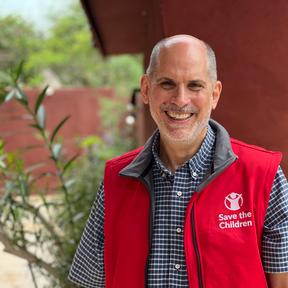
"There's been a healthcare crisis across the DRC for years, yet the world's attention tends to peak at a moment of an unusual disease, like mpox two years ago and now, with Ebola. It is important that the world doesn't lose interest when this outbreak is over and that everything is done so that the children of DRC can get the basic healthcare services they need, any time they need them. "
- Greg Ramm, Save the Children’s Country Director in the DRC
How Your Support Is Helping Children in the DRC
Your reliable, monthly gifts allow us to sustain long-term programs and respond instantly to the crisis. Your donation helps us:
Water, Sanitation & Hygiene (WASH)
Improve access to safe water, sanitation and hygiene services while promoting infection prevention practices to reduce transmission risks.
Child Protection
Protect vulnerable children through family reunification, mental health support and programs that reduce risks like separation, exploitation and early marriage
Education
Help children continue learning safely by supporting schools, providing health education and ensuring alternative learning when classrooms close.
Nutrition
We are screening and treating children for malnutrition using new Ebola safety protocols, and providing mothers with guidance on how to safely breastfeed during the outbreak.
Save the Children has a proven track record of using donations efficiently and effectively to change children's lives. We are proud to have received an A- rating from CharityWatch and a 4-star rating from Charity Navigator, the highest score possible from America’s leading independent charity evaluator.
This recognition reflects our long-standing commitment to ethical governance, transparent operations, and fiscally responsible use of donor support.
FAQs About the Crisis in the DRC: What’s Happening and Why It Needs Urgent Help
What is happening in the Democratic Republic of Congo right now?
The Democratic Republic of Congo is facing a severe humanitarian crisis driven by conflict, displacement, hunger, and disease outbreaks, including Ebola. Millions of people are in need of assistance, and weakened systems are struggling to respond.
Why is the crisis in the Democratic Republic of Congo so severe?
The crisis is fueled by decades of conflict, large-scale displacement, and limited access to essential services. Ongoing insecurity and fragile health systems are making it harder to contain disease outbreaks and meet basic needs.
How is the Ebola outbreak affecting children in the DRC?
Ebola is worsening an already critical situation for children in DRC. Children aged 14 and under are more than twice as likely to die from Ebola as older age groups, often deteriorating rapidly without early identification and care. Beyond the direct risk of infection, children face loss of caregivers, disruptions to health and nutrition services, school closures, and increased protection risks including family separation, child labor and early marriage. Save the Children's response includes dedicated child protection programming, psychosocial support, and family reunification efforts.
Where is Ebola spreading in the Democratic Republic of Congo?
Ebola is spreading in eastern DRC, particularly in North Kivu and Ituri, where conflict, displacement, and population movement are accelerating transmission in communities and schools.
How do conflict and displacement affect children in the DRC?
Conflict and displacement force families to move, reduce access to healthcare, and make contact tracing difficult—allowing the virus to spread more quickly across communities and borders.
What is life like for children in the DRC during this crisis?
Many children are living in extremely difficult conditions, facing hunger, displacement, lack of education, and increased risk of exploitation, all while disease outbreaks like Ebola threaten their health and safety.
Why should I donate to help children in the Congo?
Donations help provide lifesaving support, including healthcare, food, clean water, education, and protection services for children facing one of the world’s most severe humanitarian crises.
How is Save the Children helping in the Democratic Republic of Congo?
Save the Children is working across health, nutrition, education, and child protection to support children and families, including responding to Ebola, strengthening health systems, and providing essential services.
What are the biggest challenges facing humanitarian aid efforts in the DRC?
The response is challenged by insecurity, limited humanitarian access, weak infrastructure, misinformation, and the scale of need across affected communities.
Related News About the Democratic Republic of Congo