
Why Malaria Still Threatens Children—and How Progress Can Be Reversed
Malaria is preventable, yet cases are increasing in some regions.
Source: Save the Children Global Health Team | Last updated: April 2026
A Global Moment of Awareness: World Malaria Day
Malaria is rising again in some parts of the world—putting children at renewed risk. Despite being preventable and treatable, progress has stalled or reversed in several countries due to factors like climate shocks, conflict and gaps in access to care. Children under five remain the most vulnerable.
On World Malaria Day, it’s a reminder that without sustained effort, this deadly disease can quickly regain ground.
When is World Malaria Day?
World Malaria Day is April 25, 2026.
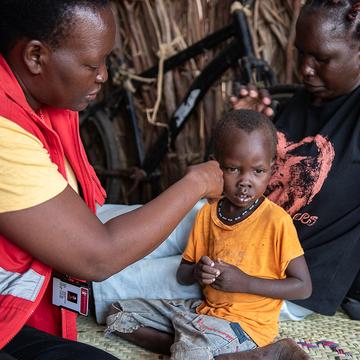
Alice, Emergency Health Unit, does a check-up on Tiini (3) who is recovering from malaria, Kenya
Malaria and Children: Key Facts
- A leading cause of death in children under five worldwide
- Young children account for most malaria deaths
- Nearly half the world’s population is at risk
- Preventable and treatable with low-cost tools
- Progress has slowed—and disruptions can quickly reverse gains
What Is Malaria and Why Is It So Dangerous for Children?
Malaria is a life-threatening disease transmitted through the bites of infected mosquitoes. It disproportionately affects young children, especially in parts of sub-Saharan Africa where access to prevention and treatment can be limited.
According to the World Health Organization, malaria remains one of the leading causes of death among children under five globally - especially for children weakened by malnutrition.
Without timely treatment, malaria can rapidly become severe—and fatal.
Why Malaria Keeps Coming Back
Malaria control depends on consistency. When prevention efforts are sustained, cases fall. When they are interrupted by humanitarian emergencies, the disease can resurge—often rapidly.
What works:
- Insecticide-treated bed nets
- Indoor spraying to control mosquitoes
- Early diagnosis and effective treatment
- Strong community health systems
These tools - delivered through our global health programs - have helped drive major declines in malaria cases and deaths—and even brought some regions close to elimination.
What disrupts progress:
- Funding cuts that halt prevention programs
- Climate shocks that expand mosquito habitats
- Drug and insecticide resistance
- Weak or disrupted health systems
Because malaria parasites remain present in many regions, even short interruptions can reverse years of progress.
A Real-World Example: Zimbabwe
Zimbabwe had been a global success story in the fight against malaria.
With sustained investment, the country made significant progress:
- Malaria cases dropped dramatically
- Some communities moved closer to elimination
- Millions of people gained protection through prevention programs
But when a major malaria program ended prematurely following aid cuts—at a time when communities were facing compounding health emergencies—the impact was immediate. Read more about how aid cuts are driving a surge in malaria cases and deaths in Zimbabwe. Read more about how aid cuts are driving a surge in malaria cases and deaths in Zimbabwe.
Save the Children has a proven track record of using donations efficiently and effectively to change children's lives. We are proud to have received an A- rating from CharityWatch and a 4-star rating from Charity Navigator, the highest score possible from America’s leading independent charity evaluator.
This recognition reflects our long-standing commitment to ethical governance, transparent operations, and fiscally responsible use of donor support.
How Malaria Is Prevented—and How Save the Children Helps
Malaria can be prevented and treated with proven, cost-effective tools:
- Sleeping under insecticide-treated bed nets
- Indoor spraying to reduce mosquito populations
- Rapid testing and early diagnosis
- Access to effective treatment
Through our global health programs, Save the Children helps deliver these lifesaving interventions in some of the world’s most vulnerable communities—strengthening health systems, reaching children in remote areas and working to stop malaria before it becomes deadly.
Your support helps deliver these lifesaving tools to children who need them most. Browse the items from our Gift Guide below to make a donation that helps protect a child or family from malaria.
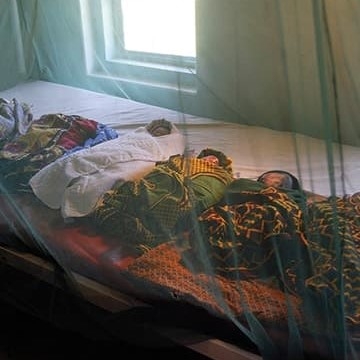
$40 - Mosquito Nets
can provide protection to a family from malaria-carrying mosquitoes.
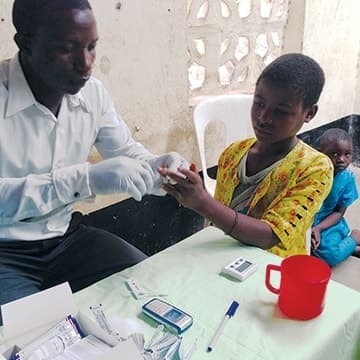
$50 - Malaria Treatment
can help provide a treatment to a child suffering from this mosquito-borne disease.
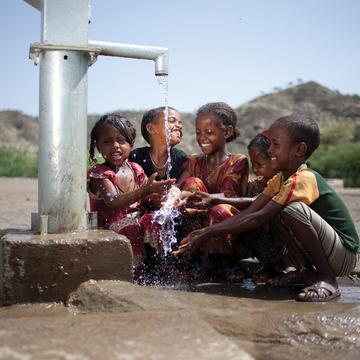
$150 - Water Pump
can help eliminate water water-borne illnesses like malaria.
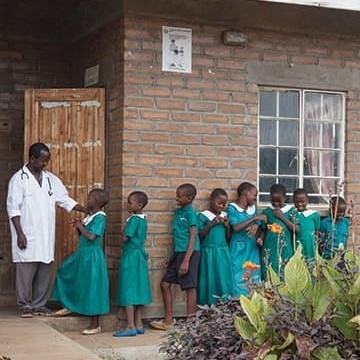
$300 - Stock a School Clinic
can provide the medial supplies needed to meet the immediate health needs of rural children.